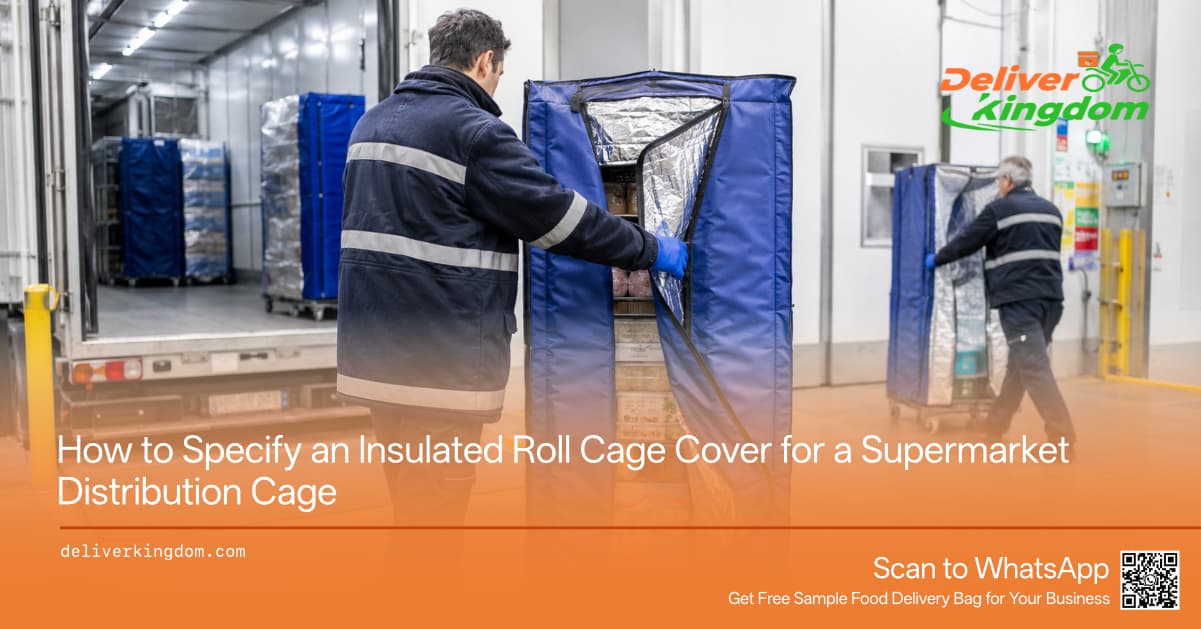
ศูนย์กระจายสินค้าของซูเปอร์มาร์เก็ตไม่ค่อยสั่งซื้อผ้าคลุมกันความร้อนขนาดใหญ่โดยพิจารณาจากรูปภาพสินค้าเพียงอย่างเดียว ผ้าคลุมอาจดูเหมาะสมบนเว็บไซต์ แต่คำถามที่แท้จริงเริ่มต้นเมื่อสินค้ามาถึงคลังสินค้า มันจะเลื่อนคลุมรถเข็นได้โดยไม่ติดขัดหรือไม่? พนักงานสามารถเปิดมันได้อย่างรวดเร็วขณะสวมถุงมือหรือไม่? ตำแหน่งของซิปตรงกับประตูของรถเข็นหรือไม่? ด้านล่างจะยังคงได้รับการปกป้องเมื่อรถเข็นเคลื่อนผ่านทางลาดสำหรับขนถ่ายสินค้า แผ่นรองท่าเทียบเรือ และพื้นผิวที่ไม่เรียบหรือไม่?
ตัวอย่างล่าสุดจากศูนย์กระจายสินค้าซูเปอร์มาร์เก็ตแห่งหนึ่งในเอเชียตะวันออกเฉียงใต้ได้นำแนวทางปฏิบัติที่เป็นประโยชน์นี้มาใช้ ผู้ซื้อต้องการฝาครอบกรงเหล็กหุ้มฉนวนสองชิ้นสำหรับการทดลองใช้งานก่อนที่จะพิจารณาจัดซื้อในวงกว้าง กรงเหล็กมีขนาดกว้างประมาณ 660 มม. ยาว 830 มม. และสูง 1901 มม. หน่วยทดลองจะถูกนำไปใช้ในกระบวนการกระจายสินค้าแช่เย็นจริง ๆ แทนที่จะนำไปจัดแสดงในห้องประชุมที่สินค้าทุกชิ้นมีพฤติกรรมสมบูรณ์แบบ
การเริ่มต้นด้วยตัวอย่างสองชิ้นเป็นวิธีที่เหมาะสมในการประเมินผ้าคลุมกรงเหล็กหุ้มฉนวนแบบสั่งทำพิเศษ ชิ้นแรกสามารถทดสอบภายใต้เส้นทางปกติ ในขณะที่ชิ้นที่สองสามารถใช้สำหรับการเปรียบเทียบ สำรอง หรือสภาวะการบรรทุกที่แตกต่างกัน ทีมงานคลังสินค้าสามารถตรวจสอบความพอดี การจัดการ ความคงตัวทางความร้อน การทำความสะอาด การเข้าถึงซิป และการสึกหรอของผ้าก่อนที่จะอนุมัติคำสั่งซื้อขนาดใหญ่
การทดสอบในลักษณะนี้ยังช่วยให้ผู้ผลิตได้รับข้อมูลป้อนกลับที่เป็นประโยชน์อีกด้วย ภาพวาดอาจแสดงขนาดของกรงได้อย่างชัดเจน แต่คนงานอาจพบในภายหลังว่าส่วนบนต้องการพื้นที่ว่างมากกว่านี้ แผ่นปิดด้านหน้าควรเปิดจากด้านอื่น หรือขอบด้านล่างอยู่ใกล้กับล้อมากเกินไป การทดสอบแบบสองชิ้นช่วยให้สามารถแก้ไขรายละเอียดเหล่านี้ได้ก่อนที่จะผลิตฝาครอบหลายร้อยหรือหลายพันชิ้น
สำหรับการผลิตผ้าคลุมกรงเหล็กกันความร้อนสำหรับศูนย์กระจายสินค้าในซูเปอร์มาร์เก็ต การทดสอบตัวอย่างไม่ใช่ความล่าช้า แต่เป็นส่วนหนึ่งของกระบวนการพัฒนาผลิตภัณฑ์ การปรับแต่งอย่างระมัดระวังเพียงเล็กน้อยในระหว่างขั้นตอนการทดลองสามารถป้องกันการเสียค่าใช้จ่ายสูงในการผลิตผ้าคลุมที่พิมพ์สวยงามแต่ใช้งานไม่ได้กับอุปกรณ์อย่างเหมาะสม
คำถามแรกจากผู้ซื้อหลายรายคือ ผ้าคลุมกรงเหล็กกันพลิกคว่ำแบบมาตรฐานจะใช้กับกรงเหล็กที่มีอยู่แล้วได้หรือไม่ บางครั้งคำตอบคือได้ บางครั้งก็ดูเหมือนจะได้ จนกระทั่งวางผ้าคลุมลงบนกรงแล้วพบว่าส่วนล่างยังคงสูงกว่าฐาน 40 มิลลิเมตร
กรงที่มีขนาด 660 × 830 × 1901 มม. นั้นใกล้เคียงกับขนาดกรงขนส่งสินค้าทั่วไปบางขนาด แต่ความสูงนั้นมีความสำคัญมาก จึงควรตรวจสอบอย่างละเอียด กรงสองกรงที่ระบุขนาดเดียวกันอาจแตกต่างกันในด้านการออกแบบโครงด้านบน ตำแหน่งล้อ มือจับภายนอก โครงสร้างบานพับ รูปทรงประตู และพื้นที่ว่างรอบโครง
ด้วยเหตุนี้ ผู้ผลิตผ้าคลุมรถเข็นแบบมีฉนวนกันความร้อนจึงไม่ควรรับประกันทันทีว่าผ้าคลุมสำเร็จรูปจะพอดีอย่างสมบูรณ์แบบโดยไม่ตรวจสอบข้อมูลเพิ่มเติมเสียก่อน อาจมีตัวอย่างอ้างอิงมาตรฐานให้ดู แต่ผู้ผลิตควรเปรียบเทียบขนาดภายในของตัวอย่างที่เสร็จสมบูรณ์กับขนาดภายนอกของรถเข็นจริง ความหนาของฉนวนและวิธีการเย็บตะเข็บก็มีผลต่อพื้นที่ใช้งานภายในด้วยเช่นกัน
ผ้าคลุมโครงเหล็กกันกระแทกแบบสั่งทำพิเศษมักต้องมีระยะเผื่อเล็กน้อย หากเผื่อไว้น้อยเกินไปจะทำให้ติดตั้งและถอดผ้าคลุมได้ยาก อาจไปติดกับมุม บานพับ หรือเหล็กแท่ง ส่วนหากเผื่อไว้มากเกินไปจะทำให้ผ้าหลวม มีช่องว่างอากาศมากขึ้น และดูไม่เรียบร้อย วัสดุส่วนเกินอาจไปติดอยู่รอบล้อหรือลากไปกับพื้นได้
ดังนั้น การตัดสินใจที่ถูกต้องจึงไม่ใช่แค่การเลือก “แบบมาตรฐาน” หรือ “แบบสั่งทำพิเศษ” คำถามที่สำคัญกว่าคือ ได้มีการตรวจสอบฝาครอบที่มีอยู่แล้วเทียบกับแบบร่าง ภาพถ่าย และรายละเอียดโครงสร้างที่สำคัญหรือไม่ หากไม่แน่ใจเรื่องความพอดี ตัวอย่างที่ปรับขนาดแล้วจะปลอดภัยกว่า
DeliverKingdom สามารถตรวจสอบขนาดของกรงเหล็ก ภาพถ่ายผลิตภัณฑ์ ตำแหน่งประตู การจัดวางล้อ และทิศทางการเปิดที่ต้องการก่อนการผลิตตัวอย่างได้ DeliverKingdom ก่อตั้งขึ้นในปี 2013 ดำเนินงานโรงงานผลิตขนาดกว่า 12,000 ตารางเมตรในเมืองหยางชุน มณฑลกวางตุ้ง โดยมีพนักงานกว่า 400 คน สนับสนุนโครงการบรรจุภัณฑ์ฉนวนและการขนส่งแบบควบคุมอุณหภูมิ
เป้าหมายไม่ใช่การอ้างว่าผ้าคลุมมาตรฐานแบบเดียวใช้ได้กับกรงทุกกรง เป้าหมายคือการตรวจสอบให้แน่ใจว่าผ้าคลุมทดลองใช้งานได้จริงเมื่อพนักงานคลังสินค้าติดตั้งลงบนอุปกรณ์
ความกว้าง ความยาว และความสูงเป็นจุดเริ่มต้น แต่ไม่ใช่ข้อกำหนดที่ครบถ้วนสมบูรณ์
สำหรับโครงเหล็กนิรภัยที่ระบุความกว้าง 660 มม. ความยาว 830 มม. และความสูง 1901 มม. ผู้ซื้อควรตรวจสอบก่อนว่าขนาดเหล่านี้เป็นขนาดภายนอกสูงสุดหรือไม่ บางครั้งความกว้างที่ระบุไว้จะวัดเฉพาะส่วนที่เป็นโครงโลหะเท่านั้น ในขณะที่ล้อ มือจับ หรือส่วนบานพับอาจยื่นออกมามากกว่านั้น ในบางกรณี ความสูงจะรวมล้อเลื่อนด้วย แต่ฝาครอบจะออกแบบมาให้หยุดอยู่เหนือล้อเหล่านั้น ความแตกต่างนี้จะส่งผลต่อความยาวของฝาครอบเมื่อประกอบเสร็จแล้ว
โครงสร้างของช่องเปิดก็มีผลต่อขนาดเช่นกัน หากแผงด้านหน้าจำเป็นต้องรูดซิปเปิดออกจนสุดและม้วนขึ้นด้านบน ผู้ผลิตต้องทราบว่าประตูของกรงเริ่มต้นและสิ้นสุดที่ใด หากคนงานต้องการเข้าถึงจากสองด้าน ช่องเปิดด้านหน้าเพียงช่องเดียวอาจไม่เพียงพอ การออกแบบที่มีแผ่นปิดด้านบน ช่องเปิดด้านข้าง หรือประตูแบบแยกส่วน อาจใช้งานได้จริงมากกว่า ขึ้นอยู่กับวิธีการบรรจุกรง
ผ้าคลุมกรงเหล็กกันลื่นแบบสั่งทำพิเศษควรคำนึงถึงความหนาของฉนวนด้วย วัสดุหลายชั้นใช้พื้นที่มากกว่าผ้าคลุมกันฝุ่นธรรมดา เมื่อประกอบผ้าชั้นนอก โฟม แผ่นสะท้อนแสง ตะเข็บ และขอบเข้าด้วยกัน ขนาดภายในที่เสร็จสมบูรณ์จะเล็กกว่าขนาดที่ตัดตอนวางราบ นี่คือเหตุผลที่การคัดลอกขนาดของกรงลงในใบสั่งผลิตโดยตรงอาจทำให้ได้ผ้าคลุมที่ตรงกับขนาดจริง แต่พอดีแน่นเกินไป
ก่อนที่จะผลิตตัวอย่าง ข้อมูลที่เป็นประโยชน์ ได้แก่ ภาพถ่ายกรงแบบเต็มตัว ภาพด้านหน้าและด้านข้าง ทิศทางการเปิดประตู ตำแหน่งล้อ รูปทรงของโครงด้านบน ตำแหน่งที่จับ และความสูงในการบรรจุที่คาดไว้ วิดีโอสั้นๆ ที่แสดงให้เห็นคนงานกำลังใช้กรงก็สามารถเผยข้อมูลเพิ่มเติมได้อีก เช่น อาจแสดงให้เห็นว่าพนักงานดึงกรงจากด้านใดด้านหนึ่งบ่อยครั้ง ต้องการเข้าถึงโดยไม่ต้องถอดฝาครอบทั้งหมด หรือผลักกรงผ่านประตูห้องเย็นที่แคบ
สำหรับผ้าคลุมกรงเหล็กกันความร้อนสำหรับศูนย์กระจายสินค้าของซูเปอร์มาร์เก็ต รายละเอียดการใช้งานเหล่านี้มีความสำคัญมากกว่าคุณสมบัติด้านความสวยงาม ซิปที่ติดตั้งในตำแหน่งที่ถูกต้องสามารถช่วยประหยัดเวลาในการขนถ่ายสินค้าแต่ละรอบ ขอบด้านล่างที่วัดขนาดอย่างถูกต้องสามารถป้องกันความเสียหายของผ้าได้ ช่องว่างที่เหมาะสมจะช่วยให้พนักงานเพียงคนเดียวสามารถติดตั้งผ้าคลุมได้โดยไม่ต้องออกแรงดันมากเกินไปบนโครง
DeliverKingdom รองรับการพัฒนาขนาดที่กำหนดเอง โครงสร้างการเปิด ตำแหน่งซิป การผสมผสานผ้า ซับใน และความหนาของฉนวน วิธีการนี้เปลี่ยนคำขอขนาดทั่วไปให้เป็นผลิตภัณฑ์ที่เหมาะสมกับกระบวนการจัดจำหน่ายจริง ไม่ใช่แค่เพียงข้อมูลในตารางเท่านั้น
ศูนย์กระจายสินค้าของซูเปอร์มาร์เก็ตมักเคลื่อนย้ายสินค้าแช่เย็น แช่แข็ง สินค้าสด และสินค้าที่ไวต่ออุณหภูมิ ผ่านหลายโซนก่อนที่จะถึงร้านค้า รถเข็นสินค้าอาจออกจากห้องเย็นควบคุมอุณหภูมิ รออยู่ใกล้จุดขนถ่ายสินค้า เข้าไปในรถขนส่ง เคลื่อนผ่านพื้นที่รับสินค้าของร้าน และจอดอยู่กลางแจ้งขณะที่พนักงานทำการขนถ่ายสินค้าเสร็จสิ้น ทุกการเคลื่อนย้ายล้วนสร้างโอกาสให้เกิดการเปลี่ยนแปลงของอุณหภูมิ
ผ้าคลุมกรงเหล็กหุ้มฉนวนไม่ได้ใช้แทนรถบรรทุกแช่เย็นหรือห้องเย็น หน้าที่ของมันคือลดอัตราการถ่ายเทความร้อนระหว่างการเคลื่อนย้าย การจัดวาง และการขนส่ง ซึ่งมีประโยชน์อย่างยิ่งในช่วงเวลาสั้นๆ ที่กรงอยู่นอกสภาพแวดล้อมที่ควบคุมได้ หรือเมื่อต้องการการป้องกันเพิ่มเติมสำหรับสินค้าแช่เย็น
ผ้าคลุมกรงเหล็กกันความร้อนสำหรับศูนย์กระจายสินค้าซูเปอร์มาร์เก็ตโดยทั่วไปจะใช้ชั้นวัสดุหลายชั้น ผ้าชั้นนอกช่วยป้องกันการเสียดสี ฝุ่น ความชื้น และการสัมผัสในคลังสินค้าในแต่ละวัน ชั้นฉนวนตรงกลางช่วยชะลอการถ่ายเทความร้อน ส่วนซับในสามารถให้พื้นผิวสะท้อนแสงหรือทำความสะอาดง่าย ขึ้นอยู่กับวัสดุที่เลือกใช้ โครงสร้างทั้งหมดจะห่อหุ้มกรงที่บรรจุสินค้าไว้ โดยยังคงสามารถเข้าถึงได้ผ่านทางซิปหรือแผ่นปิด
คุณค่าของสินค้าจะเห็นได้ชัดเจนยิ่งขึ้นในบริเวณท่าขนถ่ายสินค้าที่พลุกพล่าน กรงแช่เย็นอาจต้องรอในขณะที่รถหลายคันกำลังรอคิว ประตูโกดังเปิดปิดซ้ำๆ อากาศอุ่นจากภายนอกไหลเข้ามาในพื้นที่จัดเตรียมสินค้า พนักงานเคลื่อนย้ายกรงตามลำดับ แต่ไม่ใช่ทุกกรงจะถึงรถทันที ฝาครอบฉนวนที่เหมาะสมจะช่วยปกป้องสินค้าเพิ่มเติมอีกชั้นหนึ่งในระหว่างช่วงเวลาที่รอคอยนี้
เพื่อให้ใช้งานได้นานขึ้น ฝาครอบต้องยังคงใช้งานได้จริง พนักงานควรติดตั้งได้โดยไม่ต้องมีขั้นตอนที่ซับซ้อน แผงเข้าถึงควรเปิดได้อย่างรวดเร็ว วัสดุควรทนทานต่อการเคลื่อนย้ายบ่อยครั้งในพื้นที่แคบ ฝาครอบไม่ควรห้อยลงมาคลุมล้อหรือทำให้การบังคับทิศทางของกรงทำได้ยาก
ประสิทธิภาพทางความร้อนที่แท้จริงขึ้นอยู่กับหลายปัจจัย รวมถึงอุณหภูมิเริ่มต้นของผลิตภัณฑ์ อุณหภูมิแวดล้อม ความหนาแน่นของการบรรจุ ความหนาของฉนวน ความถี่ในการเปิด-ปิด ระยะเวลาในการเดินทาง และการใช้ถุงทำความเย็นหรือวิธีการทำความเย็นอื่นๆ ด้วยเหตุนี้ ผู้ผลิตที่มีความรับผิดชอบจึงควรหลีกเลี่ยงการให้คำมั่นสัญญาถึงตัวเลขที่เป็นสากลโดยไม่เข้าใจเงื่อนไขการทดสอบ
การทดลองใช้งานจริงโดยใช้บรรจุภัณฑ์สองแบบช่วยให้ทีมงานซูเปอร์มาร์เก็ตสามารถรวบรวมข้อมูลจริงภายใต้เงื่อนไขการจัดจำหน่ายของตนเองได้ หลักฐานเหล่านั้นมีประโยชน์มากกว่าตัวเลขจากห้องปฏิบัติการที่คัดลอกมาจากถุง สภาพอากาศ หรือวิธีการบรรจุที่แตกต่างกัน
ฝาครอบกรงเหล็กสามารถรักษาอุณหภูมิได้ค่อนข้างดี แต่ก็ยังอาจใช้งานไม่ได้ผลหากคนงานไม่สามารถเข้าถึงผลิตภัณฑ์ได้อย่างรวดเร็ว
วิธีการเปิดกรงควรเป็นไปตามวิธีการบรรจุและนำสัตว์ออกจากกรง โดยทั่วไปมักใช้ซิปด้านหน้าแบบเต็มความสูง ซึ่งช่วยให้แผงด้านหน้าเปิดออกได้ในขณะที่ส่วนที่เหลือของฝาครอบยังคงอยู่บนกรง วิธีนี้ใช้ได้ดีเมื่อประตูของกรงเปิดจากด้านหน้าเช่นกัน อย่างไรก็ตาม ตำแหน่งของซิปต้องตรงกับโครงสร้างของกรงจริง หากซิปอยู่ตรงกับบานพับ กลอน หรือเหล็กแท่ง จะทำให้การเข้าถึงทำได้ยาก
ศูนย์กระจายสินค้าบางแห่งนิยมใช้ซิปแบบรูปตัว U บางแห่งต้องการซิปแนวตั้งสองตัวเพื่อให้แผงด้านหน้าสามารถม้วนขึ้นและยึดอยู่ด้านบนได้อย่างแน่นหนา อาจเพิ่มแถบเวลโครเพื่อยึดแผ่นปิดระหว่างการขนถ่าย สำหรับการใช้งานซ้ำๆ บ่อยครั้ง ตัวดึงซิปควรมีขนาดใหญ่พอที่พนักงานคลังสินค้าจะใช้งานได้อย่างรวดเร็ว แม้ในขณะที่สวมถุงมือ
A custom insulated roll cage cover may also require side access. This can be useful when cages are placed closely together and the front cannot be opened fully. In other cases, workers may need a top flap to check products or insert cooling media without opening the entire front panel.
Every additional opening creates a trade-off. More access can improve handling, but it also introduces more seams and potential air gaps. The design should therefore include only the openings that the operation actually needs. Adding five zippers because it looks versatile usually results in a more complicated and expensive cover that nobody enjoys using.
The two-sample trial is the right time to evaluate these details. Workers can time how long it takes to open, unload, close, and move the cage. They can report whether the zipper direction feels natural, whether the flap stays out of the way, and whether any fabric catches on the frame.
As an insulated cage trolley cover manufacturer, DeliverKingdom can adjust the zipper position, flap style, access direction, fastening method, and handle openings according to the cage and warehouse process. OEM and ODM support allows buyers to begin with an existing drawing or develop a new structure from photos and operational requirements.
A good opening system is not the most impressive part of the cover. It is simply the part warehouse staff will use hundreds of times, which is generally a stronger test of value than how elegant the product looks in a catalog.
Material selection should begin with the working environment, not only with the lowest unit price.
A supermarket distribution center exposes an insulated roll cage cover to metal cage edges, concrete floors, loading docks, moisture, food packaging, repeated folding, and frequent cleaning. The cover may be installed and removed several times per day. It may also be compressed during return transport or stored in a busy warehouse where equipment is rarely treated with ceremonial gentleness.
For the outer layer, buyers may consider durable polyester, Oxford fabric, PVC-coated material, or other abrasion-resistant fabrics. The correct choice depends on required flexibility, water resistance, expected service life, cleaning method, and budget. A very thick fabric may offer stronger protection but can make the cover heavier and less convenient to fold.
The insulation layer can be adjusted according to the thermal target and handling requirements. Thicker insulation may slow heat transfer more effectively, but it also increases bulk, packed volume, and product weight. For a thermal roll cage cover for supermarket distribution, the most suitable construction should balance thermal performance with daily handling.
The inner lining should be easy to clean and compatible with the intended products. Reflective foil materials are often selected for thermal applications, while other smooth linings may be preferred for flexibility or repeated wiping. The seams, edge binding, zipper tape, and reinforced areas should also be considered because material quality alone cannot compensate for weak construction.
High-contact areas may need additional reinforcement. These include the top corners, lower edges, zipper ends, lifting points, and sections that rub against cage bars. If the cover will be folded frequently, the material should tolerate repeated bending without cracking or separating.
DeliverKingdom can support fabric customization, insulation structure selection, inner lining choices, zipper specifications, color matching, and dimensional adjustments. The company holds BSCI and ISO9001 certifications and has more than 13 years of insulated bag manufacturing experience.
The sample stage should confirm whether the proposed material feels suitable in real use. Warehouse staff can check whether the cover is too heavy, too stiff, difficult to fold, easy to wipe, or vulnerable around the lower edge. These observations help refine the final custom insulated roll cage cover before mass production.
An operational trial should answer more than one question.
Many buyers test only whether the cover fits the cage. Fit is important, but it is only the first checkpoint. A complete trial should also examine installation time, access speed, movement, thermal performance, cleaning, folding, wear, and staff feedback.
The first test is dimensional fit. The cover should slide over the cage without excessive force. It should not be so loose that large air gaps form around the top and sides. The lower edge should remain clear of wheels and moving parts. Zippers should align with the cage opening, and the cover should not block handles or latches.
The second test is daily handling. Staff should install and remove the cover several times. They should open the access panel while the cage is fully loaded. The warehouse team should move the cage through actual cold rooms, staging zones, loading docks, vehicle ramps, and store receiving areas. This reveals whether the material catches, shifts, or interferes with steering.
The third test is thermal performance. The distribution center can place temperature loggers at selected points inside the loaded cage and compare covered and uncovered conditions. The test should record ambient temperature, product starting temperature, loading density, opening frequency, route time, and any use of cooling media. Without these details, the result is difficult to interpret.
The fourth test is cleaning. Any spills or moisture should be wiped using the normal warehouse procedure. Staff should check whether liquid collects in corners, whether the lining dries properly, and whether repeated wiping affects the material.
The fifth test is durability. Even a short trial can reveal stress around zipper ends, seams, lower corners, and fold lines. Staff feedback is also valuable. A warehouse operator may notice an inconvenient zipper position in thirty seconds that nobody noticed during three weeks of office discussion. Humanity occasionally becomes efficient when given real equipment.
For a custom insulated roll cage cover, the trial results should be documented before bulk approval. Small adjustments can then be made to the dimensions, opening, material, reinforcement, or branding.
This process gives both the buyer and the insulated cage trolley cover manufacturer a clear reference for final production.
A request for two samples usually includes three commercial questions: the unit price, the total cost for two pieces, and the express shipping charge.
The sample price depends on whether an existing suitable cover can be supplied or whether a new custom sample must be produced. A standard reference sample may have a different cost from a size-adjusted sample requiring new cutting, material preparation, and logo setup. If the trial covers are unbranded and use available materials, development may be simpler. A fully customized structure with specific fabric, insulation, zippers, and printing requires more preparation.
For this reason, a supplier should confirm the cage details before quoting. It is not useful to provide an attractive sample price for a product that later turns out to be the wrong size.
Shipping cost also requires actual calculation. An insulated roll cage cover may not be extremely heavy, but its packed dimensions can create significant volumetric weight. Express carriers generally compare actual weight with dimensional weight and charge according to the higher figure. The final freight therefore depends on the folded size, carton dimensions, quantity per carton, destination postal code, courier route, and current carrier rate.
Delivery time should also be separated into sample production time and transport time. If a custom sample must be made, the development period comes before courier transit. Express shipment to Southeast Asia may be relatively fast after dispatch, but exact timing should be confirmed when the package details and courier service are known.
DeliverKingdom’s sales team can calculate the sample price, packed dimensions, express options, and estimated lead time after the required structure is confirmed. DHL, FedEx, UPS, or another available courier may be evaluated according to the destination and shipment conditions.
Sensitive information such as the buyer’s exact address, contact details, freight quotation, and commercial terms should remain inside the direct business conversation. A public article should explain the calculation process, not publish a customer’s logistics data for the internet to admire.
For buyers planning a thermal roll cage cover for supermarket distribution trial, the most useful first step is to send the cage dimensions, photos, required quantity, destination country, and preferred material or application. That allows the supplier to prepare a grounded quotation instead of improvising numbers.
A two-piece operational trial usually focuses on fit and performance. If the trial succeeds, branding and fleet standardization become more important for future orders.
A supermarket group may want the insulated covers to match its distribution identity, store branding, or cold-chain program. DeliverKingdom can support custom logo printing, specified Pantone colors, customized dimensions, opening direction, zipper position, insulation thickness, inner lining, reinforcement, label pockets, and other structural details.
A custom insulated roll cage cover can use a single-color logo for a straightforward warehouse appearance or a more detailed print where the selected fabric allows it. The printing method should be chosen according to the outer material, logo complexity, required durability, and order quantity. The sample stage can include a printed logo, but some buyers prefer to validate the structure first and confirm branding after the operational trial.
Color selection is not only decorative. Different colors may identify chilled, frozen, fresh, or store-specific flows inside a distribution center. A supermarket operator could use one color for cold products and another for ambient products, while maintaining the same cover structure. Clear visual separation can help warehouse staff identify the correct cage more quickly.
Transparent document pockets or label holders may also be added for route sheets, store numbers, temperature records, or handling instructions. Reflective strips can improve visibility in dark loading areas. Numbering or barcode labels may support asset tracking where covers move between distribution centers and stores.
For future bulk orders, the final approved sample becomes the production reference. Dimensions, materials, colors, logo position, zipper structure, and packing method should be recorded clearly. This reduces variation across later batches and makes repeat purchasing easier.
As an insulated cage trolley cover manufacturer, DeliverKingdom supports both OEM production based on an existing specification and ODM development for buyers who need structural recommendations. Its 12,000+ square meter factory and team of more than 400 workers allow the company to support customized and higher-volume projects.
The purpose of customization is not to cover every surface with branding. It is to make the cover fit the equipment, fit the process, and fit the buyer’s distribution system.
A successful trial does not automatically mean the sample should be copied immediately into a large order.
The warehouse team should first summarize what worked and what should change. Perhaps the overall fit was correct, but the front zipper should be moved 30 mm. Maybe the lower edge needs reinforcement because it contacted the cage base. The cover may need an additional label pocket, a different flap fastening method, or a slightly larger top allowance.
These are normal findings. The purpose of the trial is to discover them before mass production.
Once the revisions are confirmed, the buyer and manufacturer can prepare a final specification. This should include finished dimensions, fitting allowance, fabric, insulation, lining, zipper type, opening direction, reinforcement areas, logo size, Pantone color, labeling, packing, and inspection standards.
For a supermarket distribution network, bulk demand may later involve several distribution centers, store formats, or cage types. It is useful to confirm whether every location uses the same 660 × 830 × 1901 mm cage or whether there are regional variations. One cover may fit most equipment, while another size may be needed for a smaller or taller cage.
Repeat-order planning also matters. If the cover becomes part of a national distribution process, the buyer may need replacement units, phased deliveries, or future production using the same approved materials. A clear product specification and retained reference sample help keep later orders consistent.
DeliverKingdom was established in 2013 and has more than 13 years of experience in insulated bag and thermal cover manufacturing. The company operates a factory of more than 12,000 square meters in Yangchun, Guangdong, with over 400 workers, BSCI certification, and ISO9001 quality management. It supports OEM and ODM projects, customized fabrics, dimensions, colors, logo printing, insulation structures, and large-order production.
For buyers searching for a custom insulated roll cage cover, a thermal roll cage cover for supermarket distribution, or an experienced insulated cage trolley cover manufacturer, the most reliable process is straightforward: confirm the cage, make the sample, test it in the real operation, revise the details, and then scale production.
มันดูไม่น่าตื่นเต้นเท่ากับการรับประกันว่าฝาครอบมาตรฐานจะใช้ได้กับทุกอย่าง แต่ก็มีโอกาสได้ผลมากกว่ามาก
ถาม: ผ้าคลุมกรงเหล็กกันพลิกคว่ำแบบมาตรฐาน สามารถใช้กับกรงขนาด 660 × 830 × 1901 มม. ได้หรือไม่?
A: อาจเป็นไปได้ แต่ควรตรวจสอบความพอดีก่อนยืนยัน ผู้ผลิตควรตรวจสอบขนาดภายนอกสูงสุดของโครงรถ ตำแหน่งล้อ มือจับ บานพับ โครงสร้างประตู และระยะห่างด้านล่างที่ต้องการ การสั่งทำตัวอย่างตามขนาดที่ต้องการจะปลอดภัยกว่าหากไม่แน่ใจเรื่องความพอดี
ถาม: DeliverKingdom สามารถผลิตตัวอย่างผ้าคลุมกรงเหล็กกันความร้อนแบบมีฉนวนกันความร้อนเพียงสองชิ้นสำหรับการทดสอบได้หรือไม่?
A: สามารถหารือเกี่ยวกับการพัฒนาตัวอย่างสำหรับการทดสอบการใช้งานได้ ต้นทุนของตัวอย่างขึ้นอยู่กับว่ามีขนาดที่เหมาะสมอยู่แล้วหรือไม่ หรือต้องผลิตโครงสร้างที่กำหนดเอง ราคาขั้นสุดท้ายควรได้รับการยืนยันหลังจากตรวจสอบรายละเอียดของกรงและข้อกำหนดด้านวัสดุแล้ว
ถาม: ซูเปอร์มาร์เก็ตควรทดสอบผ้าคลุมกรงเหล็กแบบมีฉนวนกันความร้อนอย่างไร?
A: การทดสอบควรตรวจสอบความพอดี เวลาในการติดตั้ง การเข้าถึงซิป การเคลื่อนที่ของกรง ประสิทธิภาพทางความร้อน การทำความสะอาด การพับ ความแข็งแรงของตะเข็บ การสึกหรอของขอบด้านล่าง และข้อเสนอแนะจากเจ้าหน้าที่ การทดสอบอุณหภูมิควรบันทึกสภาพเส้นทางจริงและวิธีการบรรทุก
ถาม: สามารถปรับแต่งฝาครอบโครงเหล็กกันกระแทกด้วยโลโก้และสีที่ต้องการได้หรือไม่?
A: ใช่แล้ว DeliverKingdom รองรับการพิมพ์โลโก้แบบกำหนดเอง การจับคู่สี Pantone ขนาดที่กำหนดเอง โครงสร้างช่องเปิด ตำแหน่งซิป ช่องใส่ป้าย ความหนาของฉนวน ซับใน และการเสริมความแข็งแรง สำหรับการสั่งซื้อจำนวนมากในอนาคต
ถาม: ค่าจัดส่งด่วนสำหรับตัวอย่างสองชิ้นคำนวณอย่างไร?
A: ค่าขนส่งด่วนขึ้นอยู่กับขนาดของกล่องที่บรรจุ น้ำหนักจริง น้ำหนักตามปริมาตร ปลายทาง รหัสไปรษณีย์ และอัตราค่าบริการของบริษัทขนส่งในปัจจุบัน ผู้จำหน่ายควรตรวจสอบรายละเอียดการบรรจุสินค้าตัวอย่างให้เรียบร้อยก่อนที่จะให้ราคาค่าขนส่งที่ถูกต้องจาก DHL, FedEx, UPS หรือบริษัทขนส่งอื่นๆ





 ขอใบเสนอราคาออนไลน์